While it is more flexible than the set week system, the "floating week" may not be offered throughout the busiest times of the year and may require to be booked well ahead of time to make sure accessibility. The points system utilizes indicate represent timeshare ownership, based on aspects such as resort place, size of the getaway residential or commercial property, and time of accessibility.
While the points system provides users with increased holiday choices, there is a large variation between the points assigned to various getaway resorts due to the aforementioned factors involved. Timeshares are usually structured as shared deeded ownership or shared leased ownership interest. Shared deeded ownershipgives each buyer a percentage share of the physical property, representing the time period acquired.
Simply put, purchasing one week would confer a one-fifty-second (1/52) ownership interest in the system while 2 weeks would offer a one-twenty-sixth (1/26) interest and so on. Shared deeded ownership interest is often held in perpetuity and can be resold to another party or willed to one's estate. Shared rented ownership getting out of bluegreen timeshare contract interest entitles the purchaser to use a particular residential or commercial property for a fixed or drifting week (or weeks) each year for a particular variety of years.
Property transfers or resales are also more restrictive than with a deeded timeshare. As an outcome, a rented ownership interest may have a lower worth than a deeded timeshare. Based upon the above, it is obvious that holding a timeshare interest does not necessarily indicate "fractional ownership" of the underlying home.
The concept of fractional ownership has actually also been encompassed other assets, such as private jets and recreational automobiles. According to ARDA, 2019 was the 9th straight year of development for the U.S (how to get out of a timeshare contract). timeshare market, with $10. 2 billion in sales and $2. 4 billion in profits from its 1,580 resorts.
How Can I Sell My Timeshare Can Be Fun For Everyone

However, in any dispute of the benefits of timeshares vs. Airbnb, the truth is that both have particular qualities that interest 2 divergent and enormous market cohorts. The primary appeal of Airbnb and other home-sharing websites is in their versatility and capability to offer distinct experiencesattributes that are valued by the Millennials.
In addition, since many Airbnb rentals are residential in nature, the amenities and services found in timeshares might be unavailable. Timeshares generally provide predictability, comfort and a host of features and activitiesall at a rate, obviously, but these are qualities typically cherished by Infant Boomers. As Child Boomers with deep pockets begin retirement, they're likely to purchase timeshares, signing up with the millions who currently own them, as a trouble-free alternative to spend part of their golden years.
Nevertheless, there are some unique drawbacks that financiers should think about before participating in a timeshare arrangement. Most timeshares are owned by big corporations in desirable holiday places. Timeshare owners have the assurance of knowing that they can holiday in a familiar location every year without any undesirable surprises.
In comparison to a normal hotel room, a timeshare home is most likely to be considerably larger and have lots of more functions, assisting in a more comfortable stay. Timeshares may therefore appropriate for individuals who choose vacationing in a predictable setting every year, without the hassle of venturing into the unknown in terms of their next vacation.
For a deeded timeshare, the owner also needs to the in proportion share of the month-to-month home mortgage. As a result, the all-in expenses of owning a timeshare may be quite high as compared to staying for a week in an equivalent resort or hotel in the exact same location without owning a timeshare.
Not known Incorrect Statements About How To Get Rid Of Bluegreen Timeshare
In addition, a timeshare agreement is a binding one; the owner can not leave a timeshare agreement since there is https://writeablog.net/frazigwfd5/it-is-also-called-trip-ownership-holiday-ownership-and-club-time-it-is-among a modification in his/her monetary or personal circumstances. It is infamously difficult to resell a timeshareassuming the agreement enables resale in the very first placeand this lack of liquidity may be a deterrent to a potential investor.
Timeshares tend to diminish rapidly, and there is a mismatch in supply and demand due to the number of timeshare owners wanting to exit their contracts. Pros Familiar location every year with no undesirable surprises Resort-like features and services Prevents the hassle of reserving a brand-new holiday each year Fools Continuous expenses can be substantial Little versatility when changing weeks or the agreement Timeshares are tough to resell Aggressive marketing practices The timeshare industry is infamous for its aggressive marketing practices.
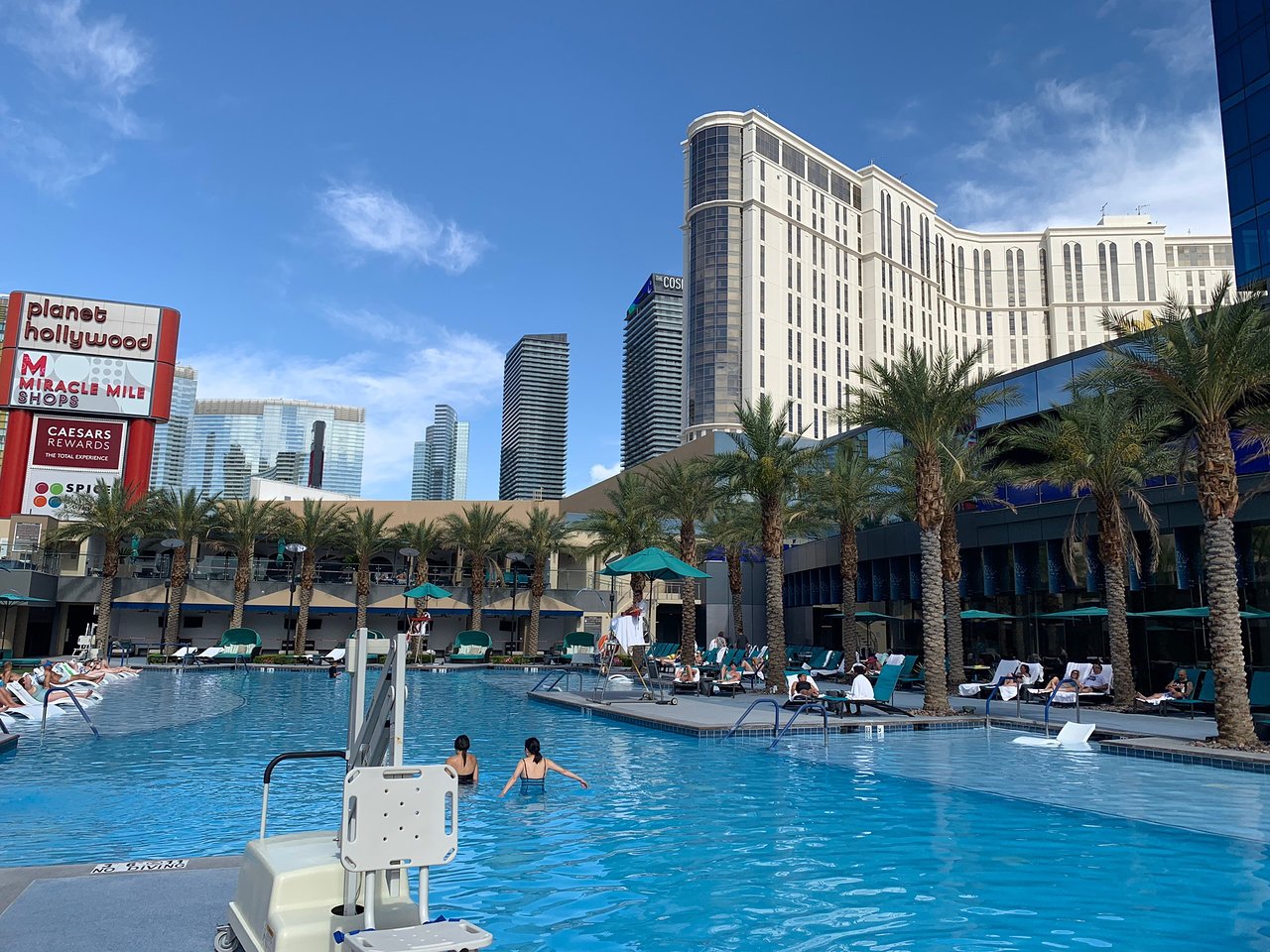
For example, Las Vegas is filled with timeshare online marketers who attract consumers to listen to an off-site timeshare discussion. In exchange for listening to their pitch, they provide rewards, such as free event tickets and complimentary hotel accommodations. The salesmen work for home developers and often use high-pressure sales methods developed to turn "nays" into "yeas." The costs developers charge are significantly more than what a buyer might recognize in the secondary market, with the designer surplus paying commissions and marketing costs.
Since the timeshare market is rife with gray locations and questionable company practices, it is important that prospective timeshare buyers conduct due diligence prior to purchasing. The Federal Trade Commission (FTC) detailed some basic due diligence steps in its "Timeshares and Getaway Plans" report that must be browsed by any potential purchaser.
For those searching for a timeshare residential or commercial property as a trip choice instead of as an investment, it is rather most likely that the finest deals may be found in the secondary resale market rather than in the main market created by getaway residential or commercial property or resort designers.
How To Get Out Of Timeshare Maintenance Fees for Beginners
You've most likely found out about timeshare residential or commercial properties. In truth, you have actually probably heard something negative about them. However is owning a timeshare really something to avoid? That's hard to state up until you understand what one really is. This article will review the fundamental principle of owning a timeshare, how your ownership may be structured, and the advantages and disadvantages of owning one.
Each buyer typically purchases a certain duration of time in a specific system. Timeshares normally divide the property into one- to two-week durations. If a buyer desires a longer time duration, purchasing several successive timeshares might be a choice (if available). Conventional timeshare properties normally offer a set week (or weeks) in a property.
Some timeshares offer "versatile" or "floating" weeks. This arrangement is less stiff, and permits a purchaser to select a week or weeks without a set date, but within a specific time period (or season). The owner is then entitled foreclosed timeshares for sale to schedule his or her week each year at any time throughout that time duration (subject to schedule).
Since the high season might extend from December through March, this offers the owner a bit of vacation versatility. What sort of home interest you'll own if you buy a timeshare depends upon the type of timeshare acquired. Timeshares are generally structured either as shared deeded ownership or shared leased ownership.
The owner receives a deed for his or her portion of the system, defining when the owner can utilize the property. This suggests that with deeded ownership, many deeds are released for each residential or commercial property. For instance, a condo unit offered in one-week timeshare increments will have 52 overall deeds when completely sold, one provided to each partial owner.